The threat model: why shield a room?
Modern bugging devices are small, and almost all of them work wirelessly: GSM/LTE bugs, Wi-Fi/Bluetooth relays, spyware infecting phones. An RF-shielded room answers this entire class in a single move: no signal gets out from inside, no command gets in from outside.
The same shield also cuts the link between the outside world and any phone forgotten or smuggled inside — the physical guarantee of the 'phones stay outside' rule.
The five critical details of the design
The target value is set in the 60-100 dB band according to the usage scenario; acceptance is documented with IEEE 299-based measurements. We run these projects turn-key, including specification, materials and installation.
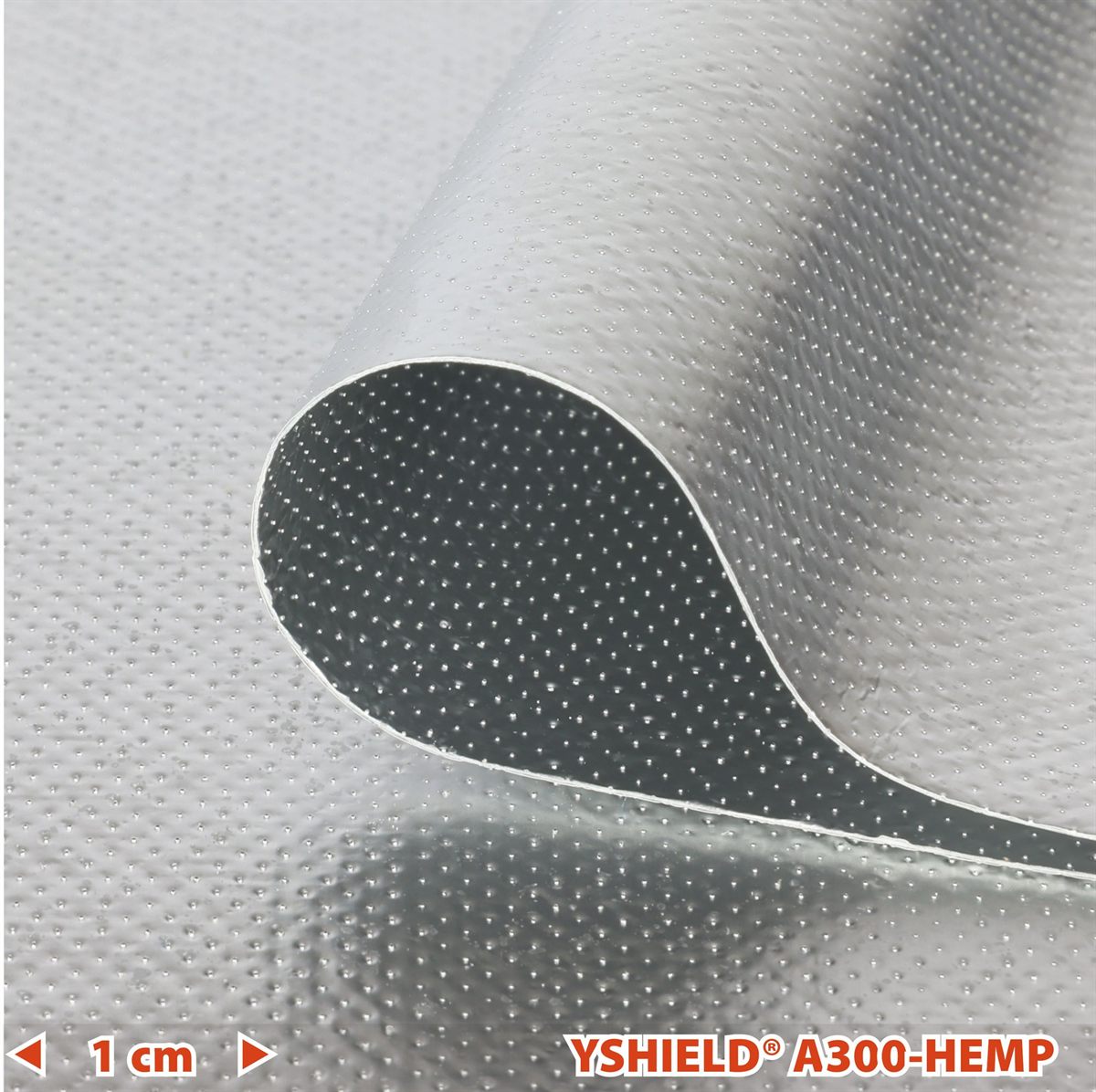
- Surfaces: continuous shielding of all six surfaces (walls, ceiling, floor) — A300-HEMP/A190 fleeces or multi-coat paint systems
- The door: the weakest link in the system; a special door detail with conductive gaskets and a threshold is essential
- Windows: preferably a windowless volume; where unavoidable, a film + net curtain + frame-tape combination
- Penetrations: honeycomb ventilation panels (waveguides), filters on power lines and fibre conversion on data lines
- Grounding: bringing all layers together at the same potential
Faster alternatives
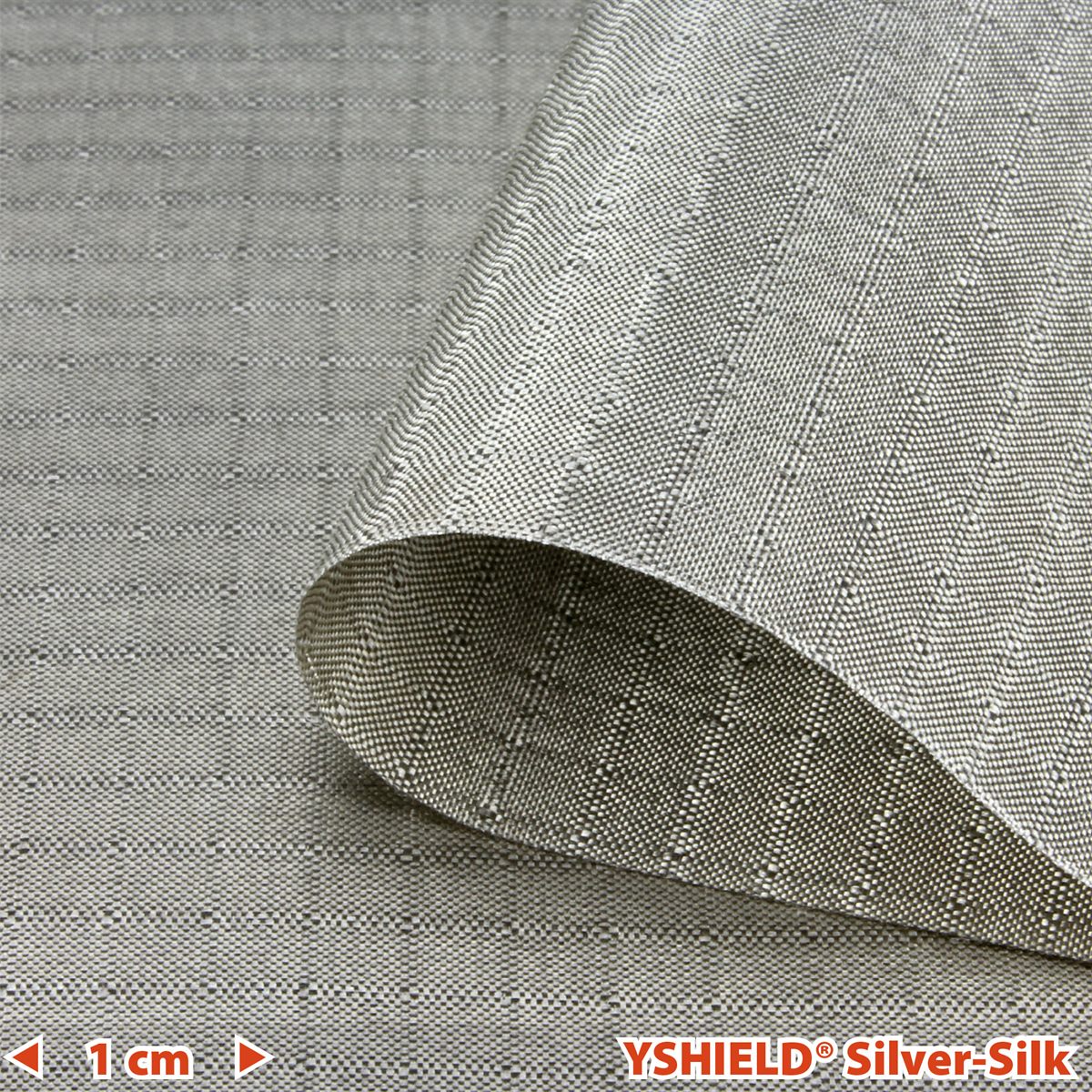
If budget or time rules out a full room conversion, staged steps are possible: reinforcing a single façade of an existing room, mobile shielding booths, or neutralizing critical devices with SILVER-SILK-based pouches and bags. The right stage is determined at the survey, based on your threat model.
Frequently Asked Questions
Is it legal for phones to have no signal inside the room?
Passive architectural shielding (surfaces that absorb or reflect the signal) is not a jammer and transmits nothing; applying it on your own property is permitted. Active jammers are a separate and generally prohibited category — we install passive solutions only.
What if Wi-Fi is needed during meetings?
A wired line is brought into the protected volume and, if needed, an isolated in-room access point is set up. Because the shield also seals the indoor network off from the outside, a controlled 'island network' is created.
Can our existing meeting room be converted?
Usually yes: if the surfaces are suitable, the conversion with fleece plus lining takes 1-2 weeks. The door and penetration details are the real challenge of the project; they are settled at the survey.