Why are magnetic fields different?
While base-station waves can largely be reflected by a conductive layer, 50 Hz magnetic fields pass through concrete, brick and ordinary metals almost unaffected. Intuitions of the 'we put up a lead sheet, nothing gets through' kind simply do not work for magnetic fields.
The sources are familiar: transformer substations inside or adjacent to the building, high- and medium-voltage lines, the building's main supply riser, lift machine rooms and rail systems. The intensity fluctuates through the day with the current load.
Map it first: distance and time behaviour
A magnetic field weakens rapidly with distance from the source; a transformer's influence usually falls to guideline levels within a few metres. The first questions are therefore always the same: where exactly is the source, what does the field read at which times of day, and where could the bed or the sofa be moved?
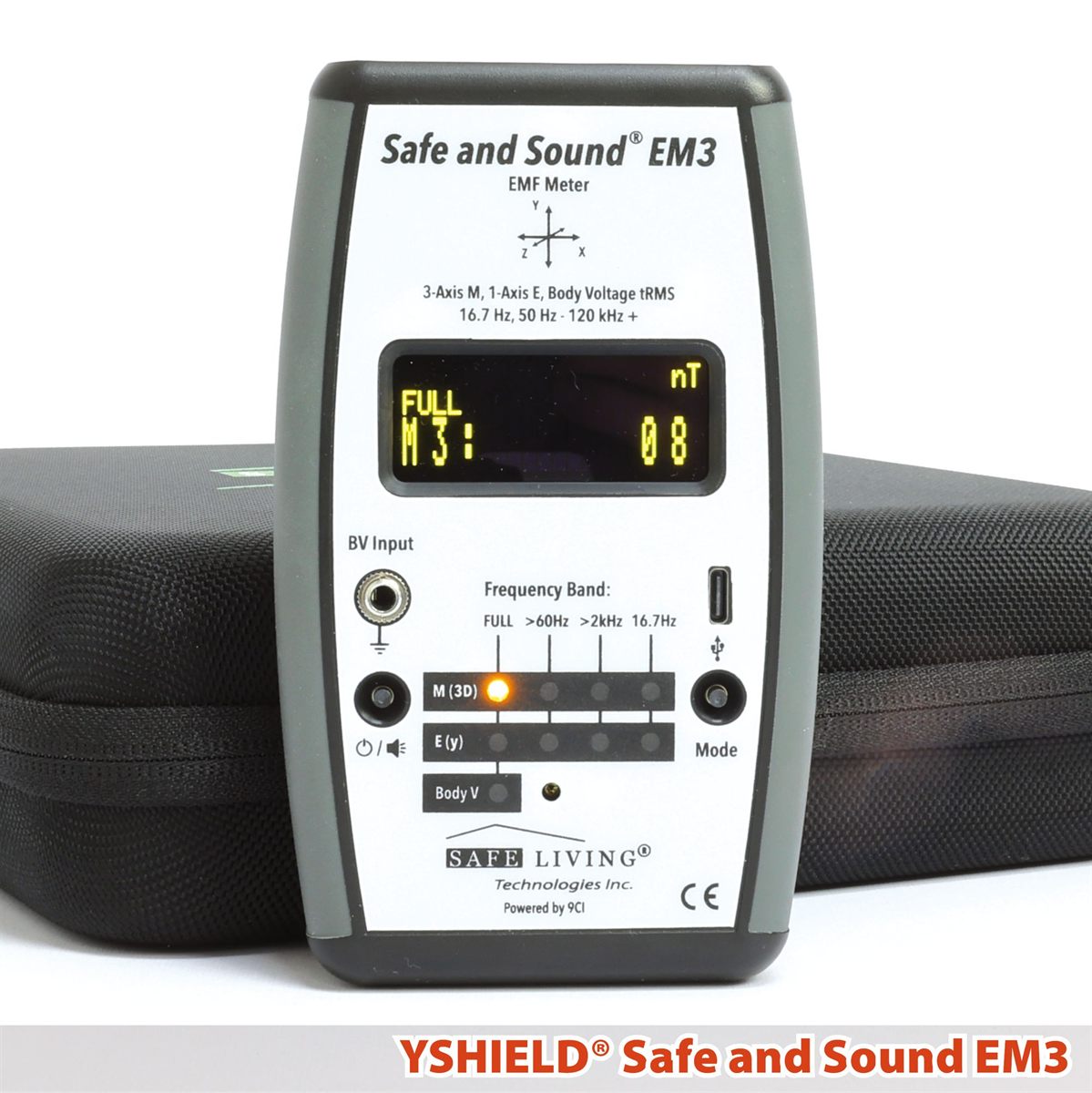
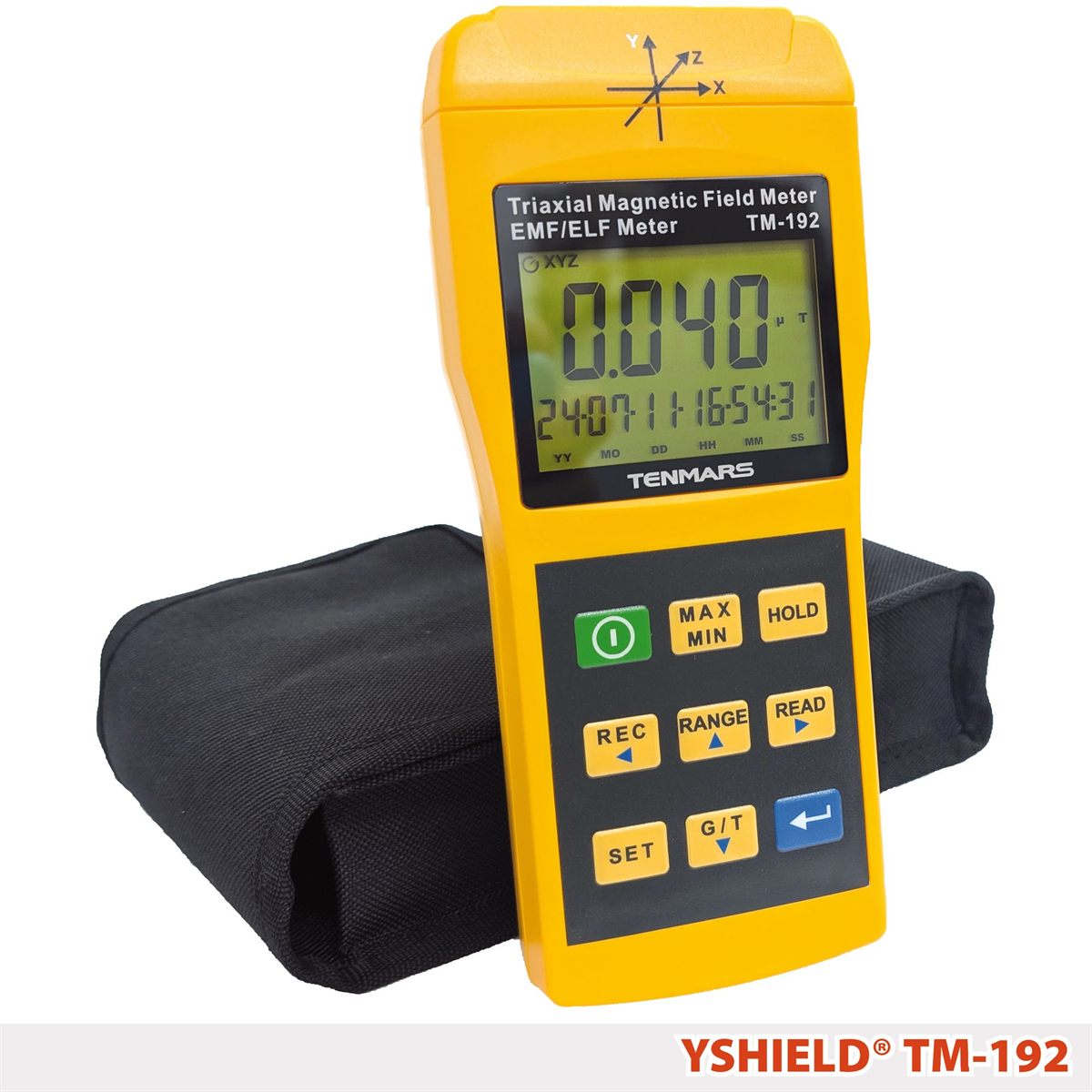
Readings taken at different times of day with an ME- or EM3-class meter determine the scale of the solution. Sometimes moving the bed two metres is more effective than thousands of liras' worth of material.
If shielding is needed: the multi-layer approach
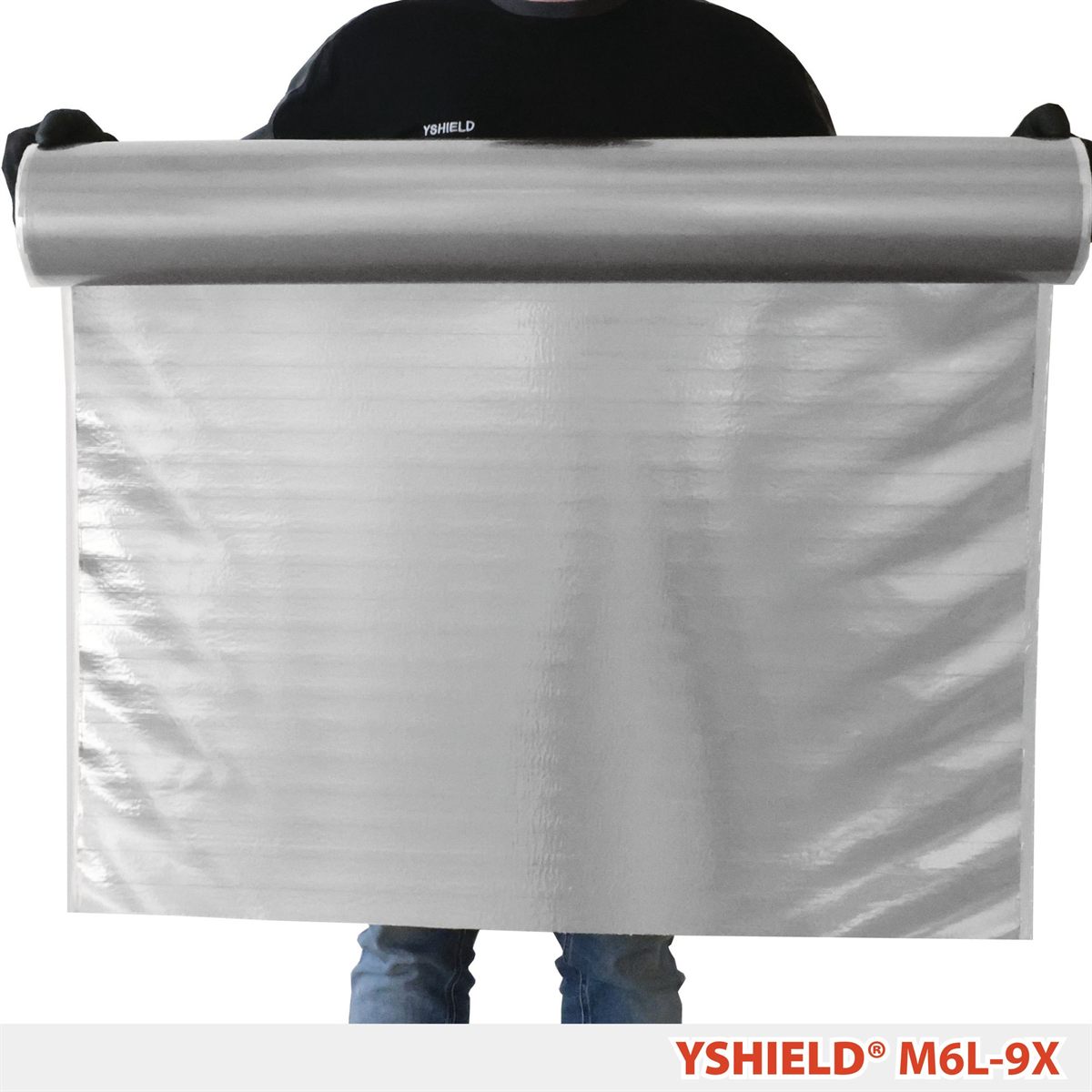
If relocation is not enough, special high-permeability alloy foils and plates (the M6L series) come into play. These materials do not 'block' the field; they redirect it through themselves and keep it away from the protected volume — attenuation rises with the number of layers.
The application is highly sensitive to geometry: the boundaries of the surface to be covered, the overlaps and the edge margins must be calculated. That is why we treat this group as turn-key projects and size the material according to the field map.
Frequently Asked Questions
Can the room next to a transformer be a children's room?
Do not decide without measuring: the space right behind that wall can see high values during the day. If the readings are low, there is no problem; if they are high, either the room's use is changed or a layered M-series shielding project is designed.
How many metres from a high-voltage line is enough?
It depends on the line's voltage class and load; the definitive answer is a measurement. In practice the field drops quickly with distance from the line and falls to guideline levels within a few tens of metres at most locations.
Can I bring the magnetic field down to zero?
The goal is not zero but below guideline values. With the right number of layers, reductions of 10-30 dB (a factor of 10-1,000) are achievable; the cost-benefit balance is established at the survey.