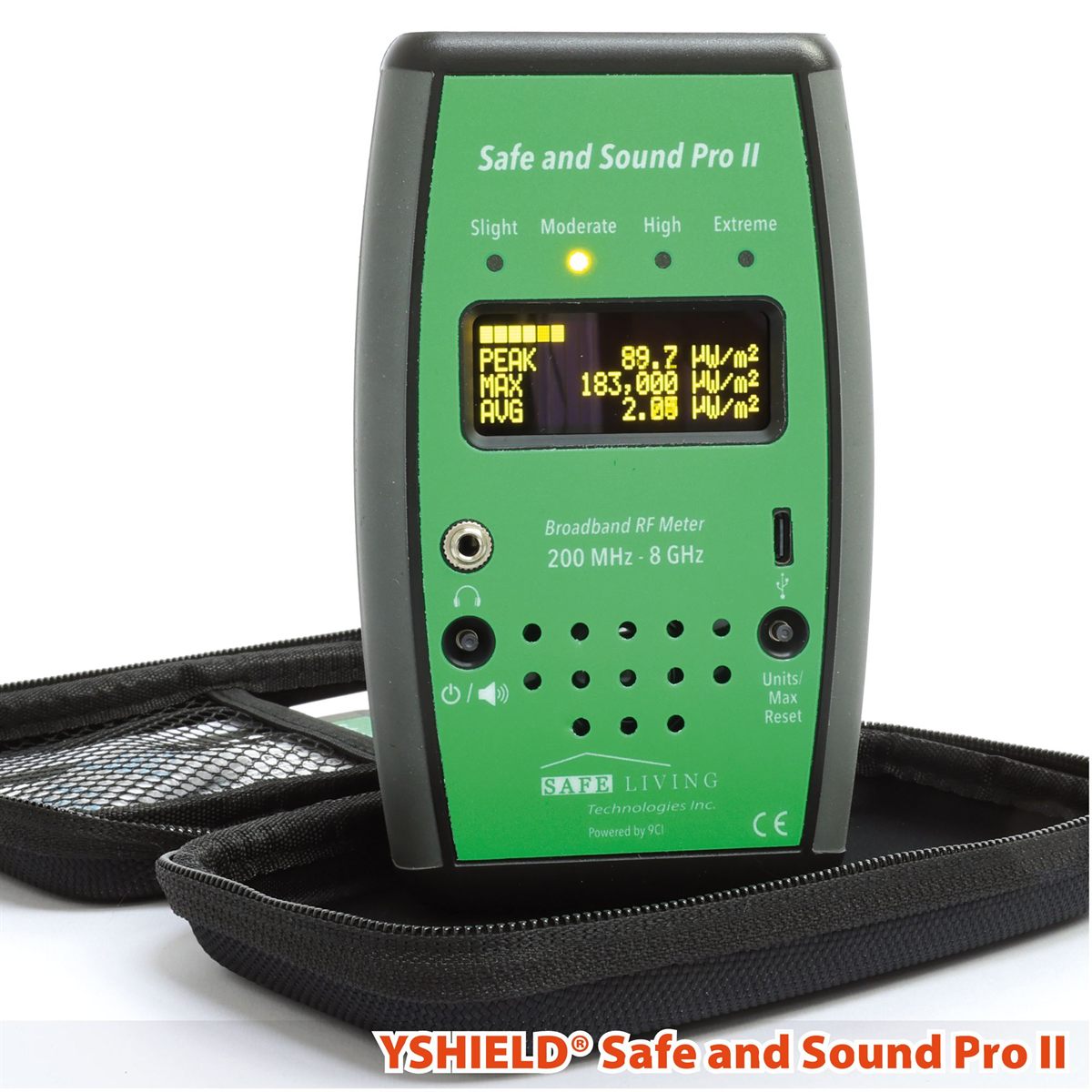
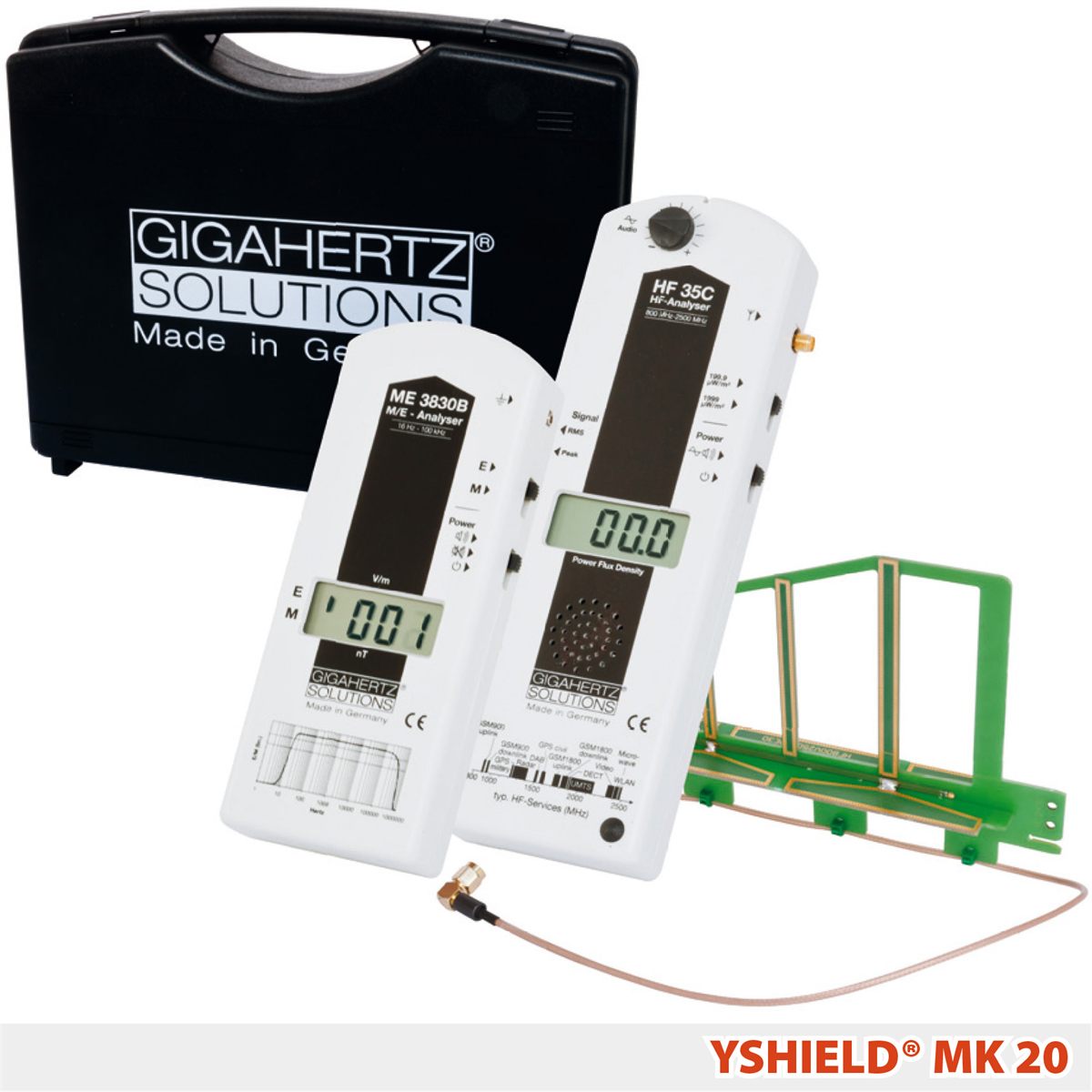
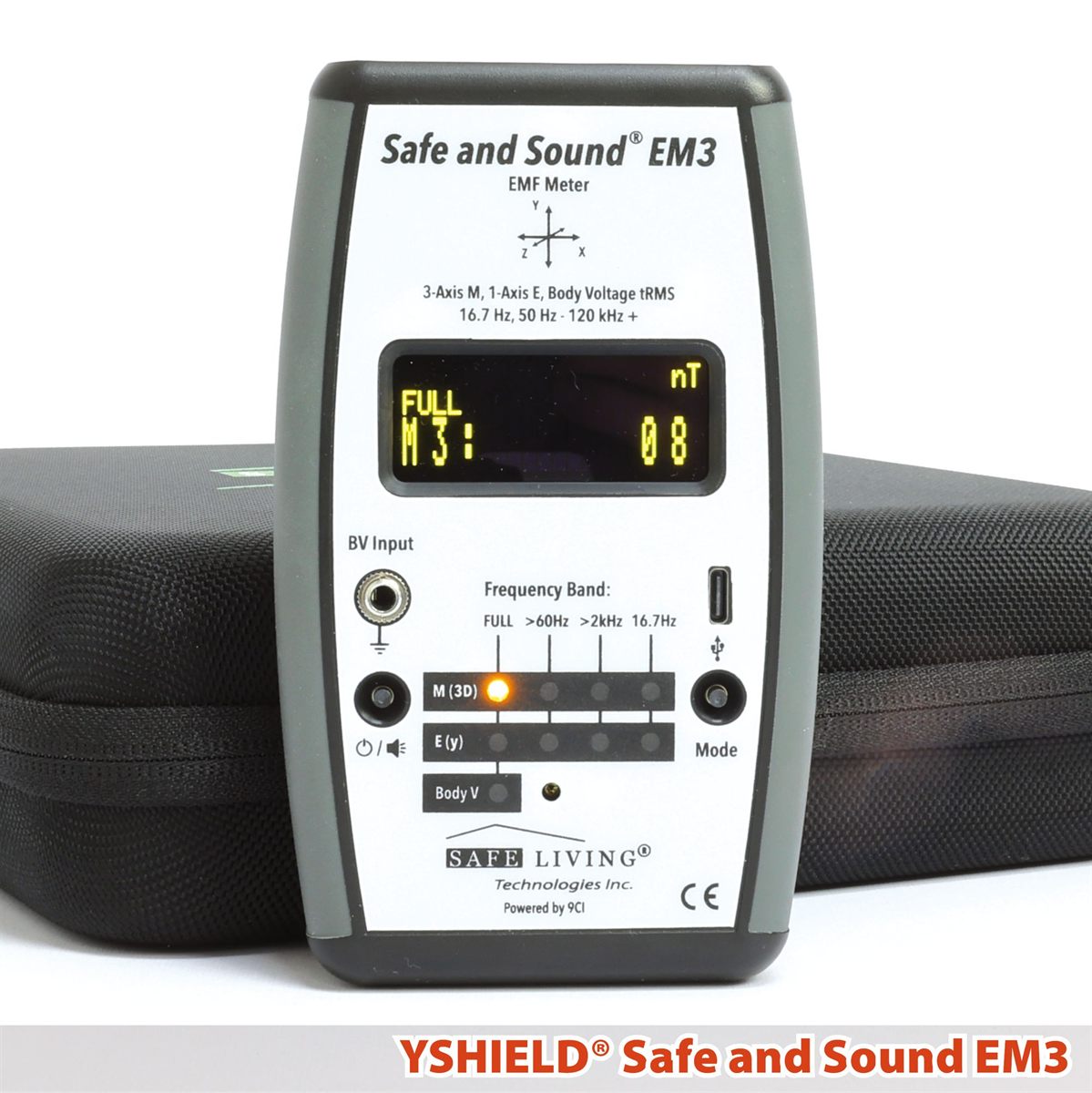
Units: what are we measuring?
- V/m (volts per metre): electric field strength — used both for wiring fields and for RF
- µW/m² (microwatts per square metre): RF power density — the unit preferred in building biology; one millionth of a W/m²
- µT (microtesla): magnetic flux density — the unit for transformer and power-line measurements (1 µT = 1,000 nT)
- dB (decibel): the attenuation ratio of shielding products — logarithmic; every 10 dB means a tenfold reduction in power
Official limits and precautionary guidelines
The international reference is ICNIRP: it defines limits with wide safety margins against proven short-term effects (tissue heating, nerve stimulation). In Türkiye, base stations are subject to BTK regulation, and the country applies additional restrictions below the ICNIRP reference levels.
Building biology (SBM-2015) answers an entirely different question: 'what should the precautionary target for a sleeping area be?' This guideline considers below 0.1 µW/m² in the sleeping area ideal, 0.1-10 a slight anomaly, 10-1,000 a severe one, and above 1,000 µW/m² extreme. There is a millionfold difference in scale from the official limits — neither is wrong; they serve different purposes.
Turning dB arithmetic into intuition
The shielding maths is simple: 20 dB = a 100-fold, 40 dB = a 10,000-fold, 60 dB = a 1,000,000-fold reduction in power. On a façade measuring 1,000 µW/m², a 40 dB system in theory brings the inside down to the 0.1 µW/m² band.
The practical result always depends on the weakest point: an unshielded opening of just 2% can cap the system's performance on its own. That is why reports assess 'product dB' and 'room dB' separately.
Frequently Asked Questions
I measured 500 µW/m² in my home — is that a lot?
It is far below the official limits, but on the SBM precautionary scale it sits in the 'severe anomaly' band. If it is a sleeping area, it is a good candidate for reduction; if a daytime area, you set the priority.
Why do meters show different values?
Because of differences in bandwidth, antenna type and peak/average mode. Comparisons should always be made with the same meter, the same mode and the same spot.
Why is 99% protection 'only' 20 dB?
Percentages grow misleadingly: 99% = 20 dB, 99.99% = 40 dB. The difference between them is a factor of 100 — when choosing a product, look at the dB, not the percentage.