Why indoor sources first?
Field strength falls rapidly with distance: the router at your bedside can outweigh a base station 200 metres away many times over. In most home measurements, the highest readings come not from outside sources but from the home's own devices.
A particular feature of Wi-Fi and DECT is that their signals are pulsed: they produce short, sharp peaks. A classic DECT cordless-phone base transmits continuously even when no call is in progress.
First steps at zero cost
These behavioural changes substantially lower the measured peaks in most homes and require no products at all. Shielding makes sense for the areas still above target after these steps, and for neighbouring sources (such as the router on the floor below).
- Move the router away from the bedroom and your sitting area — into the hallway if possible
- Switch Wi-Fi off at night with a timer or completely; many modems have a built-in setting
- Replace the DECT phone with an 'ECO/Full-ECO' model or go back to a corded phone
- Use wired networking (Ethernet) for desktop devices; switch off the printer's Wi-Fi
- Use the baby monitor in voice-activated (VOX) mode and away from the bed
Shielding against neighbouring sources
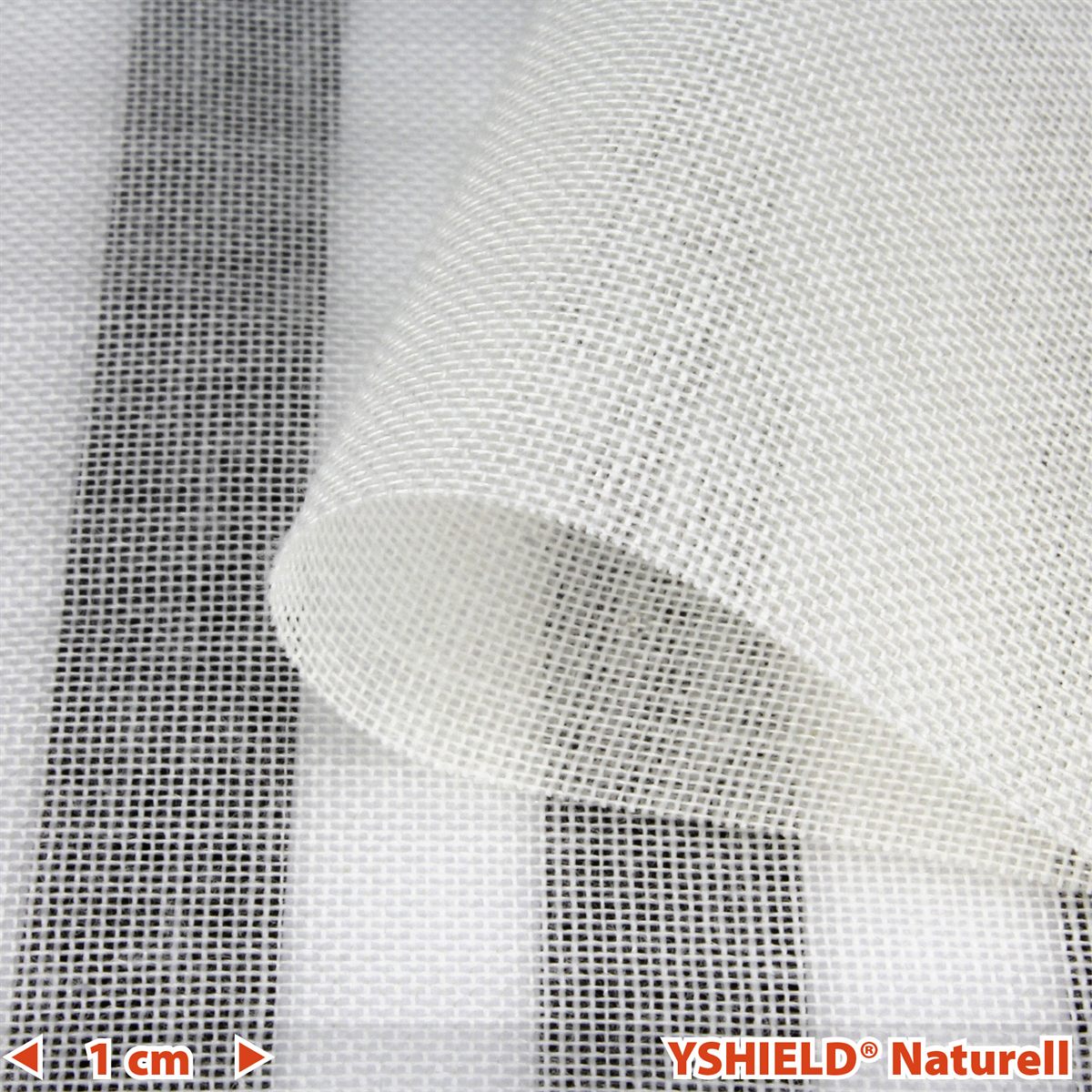
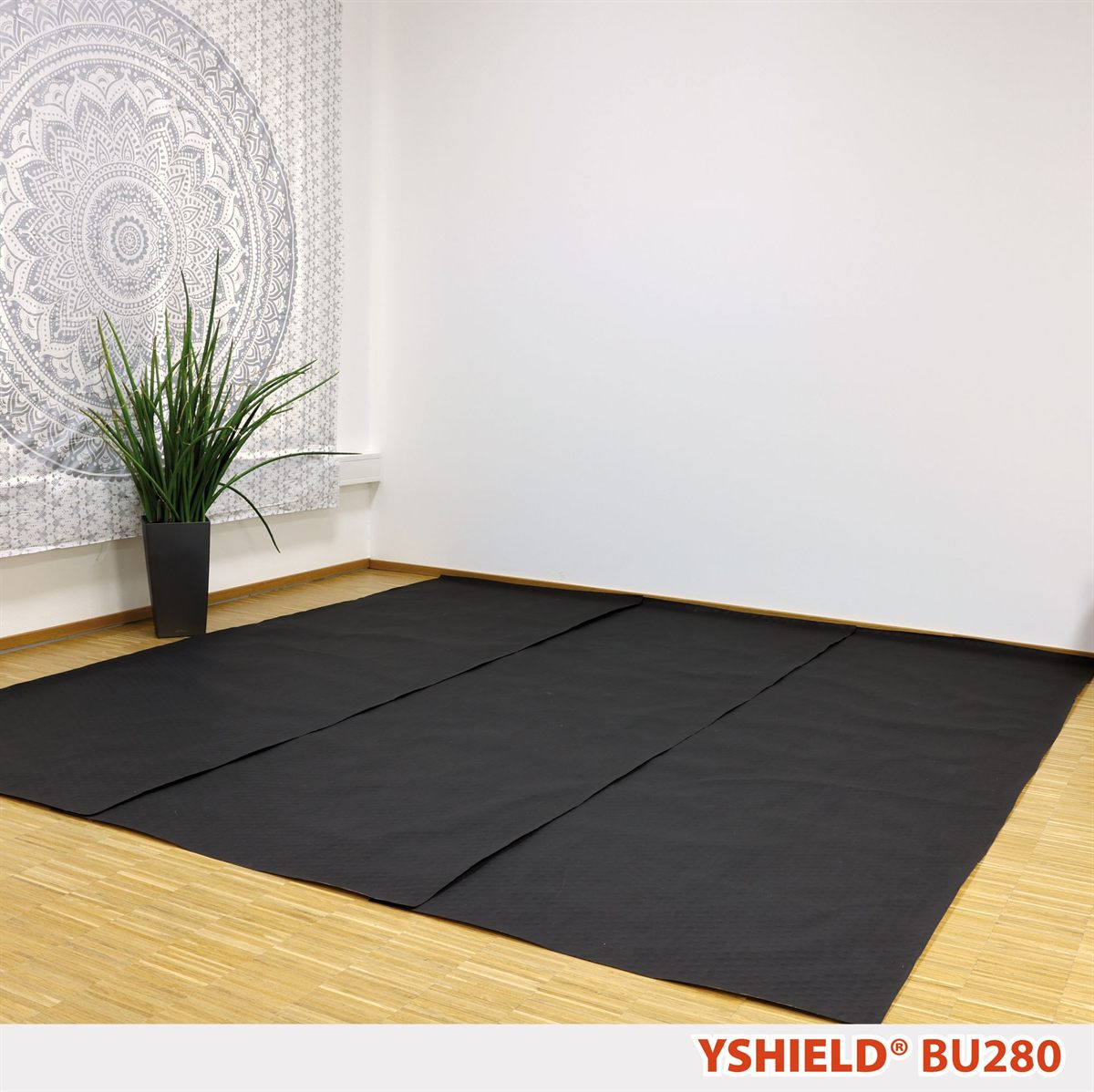
You can manage your own devices; you cannot manage your neighbour's router. When the source is behind a shared wall, shielding paint on that wall is the most accurate solution; when it comes from the floor below, a fleece on the floor or a floor mat under the bed.
If you want to use your own Wi-Fi in a fully shielded room, the access point must be positioned outside the room — a shield also keeps an indoor transmitter's signal inside.
Frequently Asked Questions
When I switch Wi-Fi off, the phones fall back to 4G — is that worse?
A phone raises its transmit power where coverage is weak. If mobile coverage indoors is good, the difference is small; if it is poor, balanced scenarios can be set up, such as keeping the phone in flight mode and making calls over Wi-Fi at set times.
Are smart meters and smart-home devices a problem?
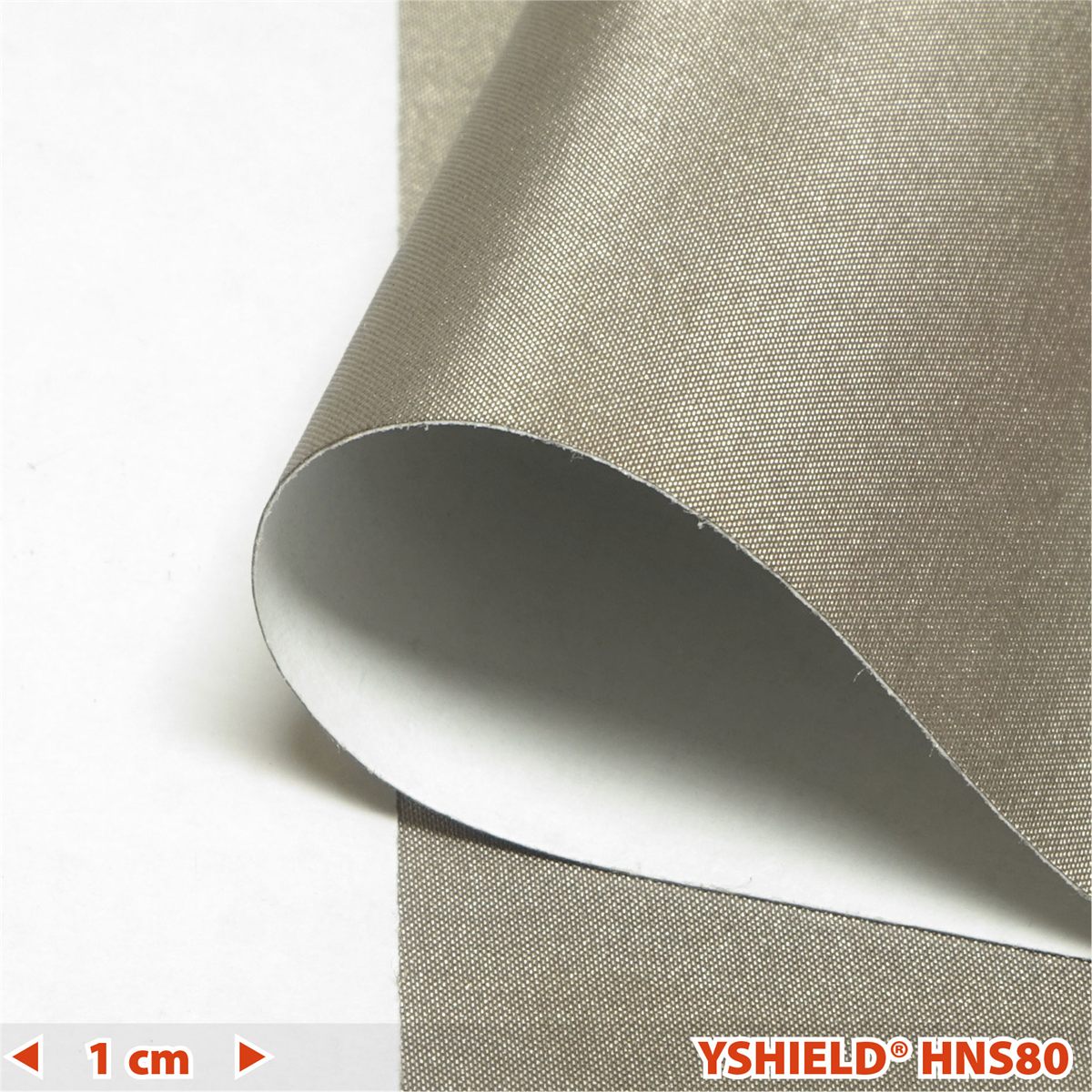
Their individual transmissions are short and infrequent, but the total contribution grows as the number of devices rises. If the meter cabinet shares a wall with the head of the bed, local shielding (HNS80, M2A) can be applied behind the cabinet.
Do microwave ovens leak?
Some leakage around the door during operation is normal and falls rapidly with distance. Stepping 1-2 metres away while the oven is running is a practical and sufficient precaution; appliances with old or damaged seals should be replaced.